Install Solar On Your Roof
Summary: Install Solar PV
Description
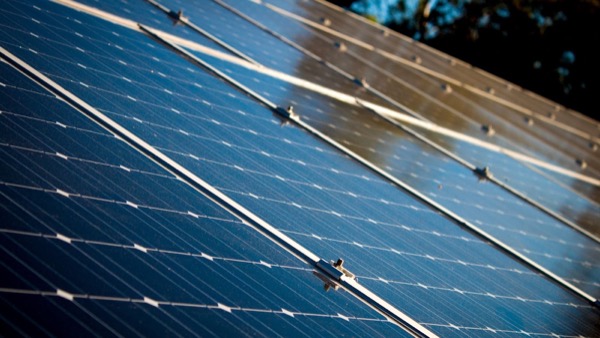
In Melrose over 600 homes, businesses and non-profits now have solar photovoltaic (PV) systems and the number keeps growing. These are in effect private power plants, collectively generating over 5 MW of clean, local, renewable energy.
Due to falling prices and generous incentives, you can often install a system that will pay for itself in 5-7 years if you have a suitable site. After that it’s all positive cash flow as the panels generate electricity for 25 years or more.
Solar PV produces home-grown, safely-generated, clean electricity that contributes clean energy to the electric grid and reduces your CO2 emissions as well as nasty pollutants such as fine particulates, nitrogen oxides, sulfur dioxide and ozone. Every solar kWh means one less fossil fuel kWh. The electricity produced can be used to help charge electric cars and transition away from burning oil and natural gas by powering high-efficiency electric heat pumps for home heating and cooling.
Why Go Solar?
- Reduce or eliminate your monthly electric bill
- Great investment that can return 15%+ annually
- Protect yourself or your organization against rising utility costs
- Lock-in your electricity costs at a lower rate: Businesses - stabilize this line item on the P&L and increase profitability; Homeowners and non-profits – save money and budget better for energy costs
Our partner, EnergySage, provides an online solar marketplace where consumers can get comprehensive information on going solar, including an instant estimate of your potential savings. Then when you're ready, you can request quotes from solar installers without giving them your name, email address or phone number. The site allows you to compare quotes from multiple, pre-screened installers, and select the quote that is best for you.
Visit EnergySage for more information and receive your instant estimate of solar savings.
Questions about going solar? Visit the Melrose Energy Commission site to contact Lori Timmermann, Melrose Solar Coach.
Deep Dive
We strongly recommend that you consider going solar and cash in on the incentives:
- Federal Investment Tax Credit (ITC) of 30% of the total cost of your solar PV system. (This applies only to those who buy their solar array outright, either with a cash purchase or solar loan). If you don't pay a lot of federal taxes, you can claim the credit over multiple years. There is no $ limit on the credit, and the cost of roof replacement or tree work related to the installation may be eligible for the tax credit as well.
- MA income tax credit of 15% coverage of the system cost, with a $1000 maximum credit amount. Also only for homeowners.
- Solar Massachusetts Renewable Target (SMART): the State of Massachusetts pays utility customers a fixed rate per kilowatt hour (kWh) of solar energy produced for 10 years. For systems under 25 kilowatts (kW), the rate ranges from $.19 to $.31 per kWh, depending upon your location and utility. The state also provides higher incentive rates for low-income customers or those who install battery storage to pair with their solar panel system, making solar power more accessible to more customers in the state.
- Sales tax and property tax incentives are two additional major Massachusetts tax exemptions for solar homeowners. Both of these tax breaks are attractive ones because they ensure 100% tax exemption from both sales and property tax payments which certainly add up over time.
- Net metering: solar array owners receive bill credits from National Grid for the energy they are sending back to the grid through a benefit called net metering.
FAQ
- How does solar power work? Solar electric systems, also known as solar photovoltaics or solar PV, convert sunlight into electrical energy through an array of solar panels that connect to a building’s electrical system or directly to the electrical grid. The Massachusetts Clean Energy Center (MassCEC) has some good background information on this here.
- How do I know if my home is good for solar? You can view your roof on Google Sunroof to get a sense for its orientation and potential shading from trees. South-facing roofs with little shade are best, but east and west-facing roofs work well too as long as there is little shade. Ideal roofs have long expanses of open areas but panels can be placed on smaller areas as well. An installer should be able to tell you on the phone if your roof is a good candidate. Some installers only want to work on the best roofs, but ultimately let it be up to you to decide if you want solar or not.
- What if my roof is old? Should I replace it before installing solar panels? 12-15 years is approximately the dividing line between installing panels on the current roof and replacing the roof and then installing panels. If you install the panels on the existing roof, the panels will protect the part of the roof on which they are installed. You can have the panels taken off and reinstalled when you decide to re-roof. If you decide to re-roof before installing panels, you may be able to claim the 30% federal tax credit for the cost of the new roof under the panels.
- Do I have to maintain my solar system? Generally the panels will sit up on the roof out of sight and out of mind, powering your home, even on cloudy days. There are no maintenance contracts to buy and New England weather will keep the panels pretty clean.
- What happens when it snows? Snow will pile up on solar panels, but the sun’s energy soon melts the bottom layer next to the panels and the snow will come sliding down quickly. Snow guards are available to protect people and plants under the panels.
- What about critters? If you frequently see squirrels on your roof, you can add critter guards to prevent them from damaging your system wiring.
- How do I get paid for the electricity my system sends to the electric grid? On the days that your system makes more electricity than you consume, your meter will run backward. This is called net-metering. If you underproduce/overconsume over the billing period, National Grid will charge you for the total amount of kWhs (kilowatt-hours) for the excess used kWhs at the full residential electricity rate. If your system has overproduced, National Grid will not pay you back at the end of the billing period. Instead, they will put those kwHs in reserve as credits on your bill. You can use up that credit during the darker months, when you won't produce as much.
- How big should my solar system be? Normally an installer will size your system to just cover your prior year’s electric bill. However, you may decide to install a bigger solar system with future added electricity use in mind, like an electric car, or air-source heat pumps for heating and cooling.
- What is the process of going solar? Generally a solar installer will ask for a copy of your electric bill and will prepare a proposed layout and financial estimate based on that and your roof space. Some parts of your roof may get more sun than others; you can change the layout to meet your needs. Once you have approved the design and signed off on the financials, the solar installer will handle the installation, checking roof structural support, pulling permits, obtaining equipment and scheduling the work. It may be two to six months until installation. Actual installation usually takes 2 days – electrical work and roof racking on day 1 and panel installation on day 2. After building and electrical inspections, National Grid will install a new meter and give you approval to power up your system.
What happens when the grid is down? If you're looking to keep powering your home when the grid is down, you'll have to add a backup battery system, which is an option you may want to consider with your installer. Otherwise, if there is a power outage, your electricity generation will be disabled during the power outage.
Steps to Take
1. If you're new to Solar PV, get up to speed by going to EnergySage. They have information on everything you need to know about going solar. For a comprehensive introduction, check out our great Solar 101 webinar presented by EnergySage for Melrose residents in January 2023. You can find it here, password !^0ZBijc
2. When you're ready, create an account on EnergySage. You'll provide your name and email address but these will be kept private until you give your consent to share them with solar installers.
3. Fill out the online EnergySage form requesting online quotes. You'll provide your address and be asked for information about your past energy use. This will enable installers to determine how many solar panels can fit on your roof by using satellite imagery based on the address you gave, and how much of your electricity use will be covered by the solar panels.
***Note: Space is provided for you to include special circumstances you want bidders to be aware of. We encourage people to tell bidders you want to install as many solar panels as can fit on your roof, even if that produces more electricity than you currently use. This will allow for increases in electricity use due to future changes such as purchasing an electric vehicle or converting your current heating system to heat pumps. If you don't expect to make any changes in the next 7+ years then this wouldn't apply to you.
4. If your property is suitable for installing solar panels you should receive 3 to 7 quotes within a few days. EnergySage presents them in a format to make it easier to compare what each bid offers.
5. Compare bids and narrow the list down to one or more bidders you'd like to have visit your property and refine their bid based on what they see during their visit. If you have trouble with this step, EnergySage has solar advisers that offer free help.
6. Select an installer and enjoy the savings, knowing that you've also significantly reduced your carbon emissions!
For a summary of the EnergySage process check out these helpful videos.
Still have questions about going solar? Visit the Melrose Energy Commission site to contact Lori Timmermann, Melrose Solar Coach.
Let us know how it went! Contact us or contribute a story under the “Testimonials" tab.
- All Actions